


With a rising world population and the imminent danger of global food shortages in the coming decades, Africa is well poised to become the global breadbasket and a major supplier of sustainable food. Africa undoubtedly holds large chunks of open, arable land that are increasingly being viewed as the primary source of future food supplies for the rapidly expanding global population.
Over the past several years, private investors and foreign governments have acquired or leased thousands of acres of farmland across Africa in a strategic bid to protect their domestic populations against future food insecurity. Saudi Arabian investors have leased massive tracts of farmland in Ethiopia. China has invested hundreds of millions of dollars in rice production in Mozambique. Jordan has leased many hectares of land in Sudan for rearing livestock and growing crops, while South Korea has actively developed farmland in Tanzania, dedicating vast acreage to raising grains and producing processed foods such as cooking oil and starch.
India, too, has heavily joined the bandwagon. Over 80 Indian companies have invested billions of dollars in buying or leasing huge plantations in Ethiopia, Kenya, Madagascar, Senegal, and Mozambique to grow food grains and other cash crops specifically for the booming Indian consumer market.
Africa currently holds approximately 60 percent of the world’s uncultivated, arable cropland. Unlocking this immense agricultural potential is projected to create millions of new jobs by 2030. Transformative initiatives like the African Green Revolution Forum (AGRF) have continually pledged to devise concrete plans to revolutionize Africa’s agricultural sector—which provides livelihoods to nearly 70 percent of the continent’s population—by actively involving the private sector in crop production and supporting Africa’s critical smallholder farmers.

Foreign Direct Investment in African Agriculture (2023 - 2030)
The African Advantage: Why Invest in Land?
What drives this intense global interest in acquiring African land? The primary catalyst is the persistent volatility and soaring costs of global foodstuffs, particularly grains and edible oils. During global supply chain shocks, several food-exporting countries often impose sudden export bans to prevent domestic inflation and unrest. These bans immediately remove massive amounts of staples from the global market, severely damaging the business models of agri-commodity traders and worsening food insecurity for import-reliant nations.
Developing nations also face compounding factors such as severe topsoil loss, extreme water shortages, and new crop diseases brought on by accelerated climate change. To avoid the high costs, supply shortages, and general volatility that plague global food imports, foreign governments and their proxy agri-businesses are bypassing world markets entirely. Instead, they are seeking land overseas to directly control their agricultural supply chains, intending to either ship the harvested crops back home or process and re-export them to other lucrative markets.
Furthermore, the cost of agricultural production in Africa is significantly lower than in regions like India or Europe. There is often less need for heavy synthetic fertilizers, labor is highly competitive, and overall crop output potential remains massively untapped. African governments have also historically offered incredible incentives, including the ability to lease massive tracts of arable land for up to 99 years at nominal rates, alongside full tax exemptions and profit repatriation guarantees.
Interactive Map: Global FDI in African Farmland
Explore the massive scale of international agricultural investments across the continent. Select an investing nation and use the timeline slider to track land acquisitions.
The Latest Developments: Moving Beyond "Land Grabs"
As of 2025 and moving into 2026, the nature of foreign agricultural investment in Africa has undergone a massive paradigm shift. The era of simply leasing vast tracts of land to export raw commodities is ending. Today, the focus has shifted heavily toward agro-processing and value addition. Foreign direct investment (FDI) is increasingly being channeled into climate-smart agriculture (Agritech), drought-resistant seed development, and the construction of massive cold-chain logistics infrastructure. Rather than exporting raw produce, multinational investors are building local processing plants for cocoa, cashew nuts, and oil palm to reduce post-harvest losses, add significant market value, and create sustainable local employment before exporting the finished goods.
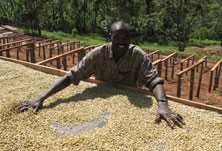
Simultaneously, the global consensus on land governance has matured. To protect local communities from the negative impacts of historical "land grabbing," modern international development frameworks are heavily promoting inclusive business principles. Foreign investors are now increasingly engaging in direct, formalized contracting with customary landowners. These modern agreements focus on formalizing local land rights, ensuring fair compensation, and establishing equitable public-private partnerships that integrate smallholder farmers into advanced, tech-driven global supply chains rather than displacing them.
Did You Know?
Watch: South Africa's Agricultural Export Milestones
Deep dive into the recent export figures pushing this agricultural surge forward and see how strategic investments are transforming the sector's global competitiveness.


